Spotting the Real Deal: Your Guide to Authentic Crystals
5 min read
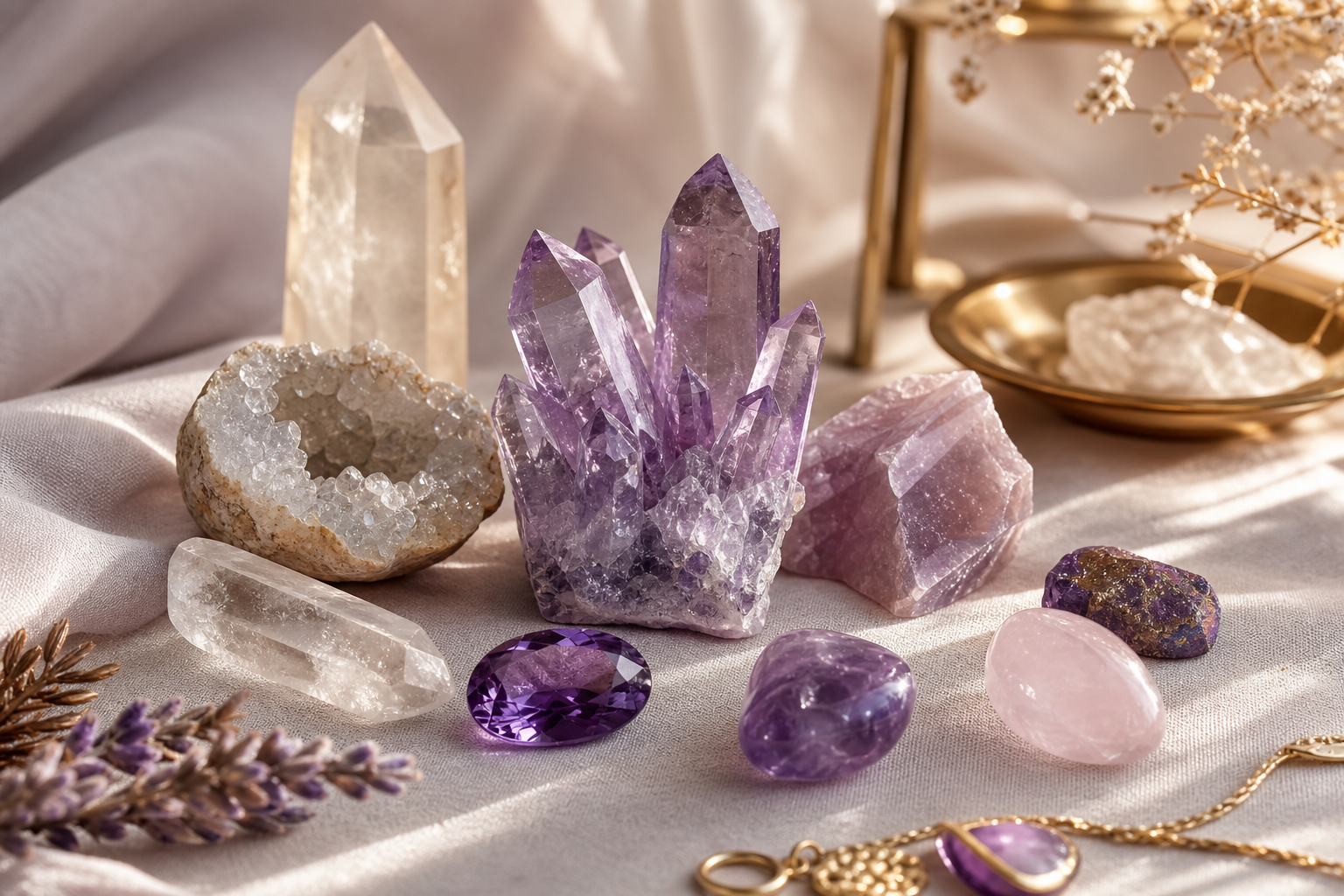
There's a unique joy in holding a beautiful crystal, whether it's the mesmerizing depths of Amethyst, the serene glow of Rose Quartz, or the intricate patterns of Agate. Each stone is a natural wonder, cherished for its beauty, unique origins, and the meaningful intentions many people associate with them.
As the world of crystals grows, so does the presence of imitations. For both seasoned collectors and those new to the magic of gemstones, knowing how to tell if a crystal is real can enhance your connection to your collection and ensure you're investing in true pieces of Earth's art. Let's explore how to confidently identify genuine crystals.
Why Authenticity Matters in Your Crystal Journey
For many, crystals are more than just pretty stones; they are companions for intention setting, meditation, or simply beautiful décor. When you acquire a crystal, there's a desire for a genuine connection to its natural essence, its geological story, and the unique beauty that only nature can craft. Understanding authenticity ensures that the crystal you choose truly aligns with the meaning and purpose you intend for it.
It's about respect for the natural world and the integrity of your collection. While man-made alternatives can be aesthetically pleasing in their own right, they possess a different lineage and intention than a stone formed deep within the Earth over millennia. Knowing the difference allows you to make informed choices that resonate with your personal crystal journey.
Start with Trust: Choosing Reputable Sellers
The most important step in acquiring real crystals is to purchase from reputable and knowledgeable sources. A trusted crystal shop, whether online or in person, will be transparent about the origin of their stones, any treatments applied, and will stand behind the authenticity of their products. Look for sellers who have positive reviews, offer clear descriptions, and are willing to answer your questions.
At StoneLune / AuraCrystal24, we pride ourselves on sourcing high-quality, authentic crystals and providing detailed information about each piece. Building a relationship with a trusted vendor means you can shop with peace of mind, confident that the beautiful stones you bring into your life are genuinely from the Earth.
The Eye Test: Visual Clues to Authenticity
Your eyes are powerful tools in discerning real crystals. Genuine stones often exhibit natural variations, inclusions, and unique characteristics that are difficult for imitations to replicate perfectly. Look for:
* **Natural Imperfections:** Real crystals are rarely 'perfect.' They may have internal fractures, cloudiness, tiny specks (inclusions), or variations in clarity. These are often signs of their natural growth process and not flaws. Fakes, especially glass, can sometimes appear unnaturally flawless. * **Color Distribution:** Natural crystals often display color zoning, where the intensity of color varies within the stone, or subtle gradients. For example, Amethyst often has deeper purple tips and lighter bases. If a crystal's color is completely uniform, unnaturally vibrant, or looks painted on, it might be a dyed or man-made item. * **Bubbles:** A tell-tale sign of glass imitations is the presence of perfectly spherical air bubbles trapped inside. While natural crystals can have inclusions, they are rarely perfectly round, clear bubbles. Examine the stone closely under good light to spot these. * **Growth Patterns:** Many crystals have distinct growth patterns. Quartz varieties, including Amethyst and Citrine, often show natural striations or lines on their facets. Malachite has unique concentric banding, and Labradorite displays a dazzling play of color (labradorescence) from within. Learning the characteristic patterns of specific crystals can be very helpful.
The Touch Test: Feeling for Genuineness
Beyond what you see, how a crystal feels can also offer clues to its authenticity:
* **Temperature:** Most genuine crystals feel cool to the touch, even in a warm room, and take a moment to warm up when held in your hand. Glass or plastic imitations tend to warm up much more quickly or feel room temperature right away. * **Weight:** Many natural crystals are denser than glass or plastic. If a stone feels surprisingly light for its size, it might be an imitation. This is a subtle clue, but one that can become more apparent with experience. * **Surface Texture:** Run your fingers over the crystal. A real stone might have minor surface imperfections, natural cleavage lines, or a slightly 'rougher' natural feel. Fakes, particularly polished glass or plastic, can feel almost too smooth or slick. Some might even show mold lines if they are plastic.
Beyond the Basics: Research and Red Flags
Empower yourself by learning about the specific crystals you're interested in. Research their typical appearance, common inclusions, and how they naturally form. This knowledge is your best defense against fakes. For instance, knowing that natural Citrine is often a smoky yellow to brownish-orange (and not neon orange) can help you identify heat-treated Amethyst, which is commonly sold as Citrine.
Another significant red flag is price. If a crystal that is typically rare or expensive (like certain types of moldavite, high-grade aquamarine, or large clear quartz specimens) is offered at an unusually low price, it's wise to be suspicious. Remember the adage: if it seems too good to be true, it probably is. Always compare prices from multiple reputable sources to get a sense of fair market value.
Embrace Your Intuition and Enjoy the Journey
Ultimately, becoming adept at identifying real crystals is a journey of learning, experience, and developing your own intuition. Don't be afraid to ask questions, request more photos, or seek advice from experienced crystal enthusiasts. While crystals are not a substitute for professional medical or mental-health care, their beauty and the intentions we set with them can bring profound joy and meaning to our lives. With a little knowledge and a keen eye, you can confidently build a collection of authentic, beautiful crystals that truly resonate with you.
Frequently asked questions
A gentle note
The metaphysical, healing, and energy properties described on AuraCrystal24 reflect long-standing traditional beliefs, cultural folklore, and spiritual practice. They are not scientific or medical facts. Crystals are not a treatment for any condition and are not a substitute for professional medical, psychological, or financial advice. We share them for their beauty and meaning — please enjoy them in that spirit.